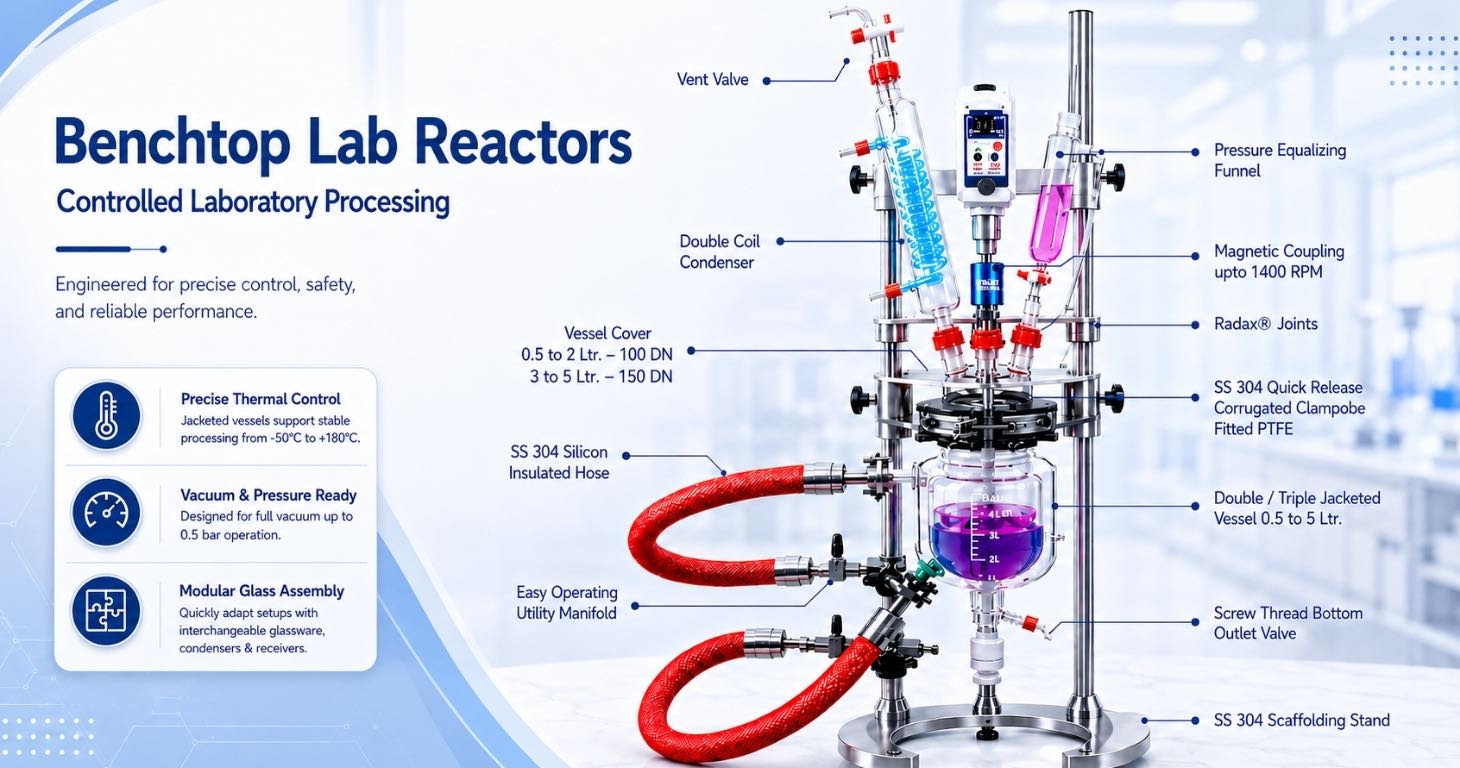
Active laboratories rarely keep the exact same equipment layout all day. A fume hood piped for straightforward mixing in the morning often needs to handle vacuum recovery by the afternoon.
Small-scale workflows still demand strict control over temperature and pressure, but they also require hardware that stays out of the way. As a specialized distributor, Goel Glass Inc supplies compact benchtop lab reactor systems built specifically for active environments, ensuring operators get the visibility they need while preserving valuable bench space.
Compact Reactor Configurations
Bench space tightens quickly once condensers, receivers, and circulation lines share the same setup.
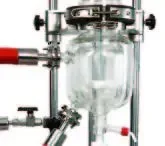
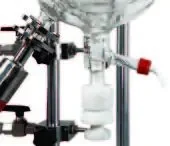
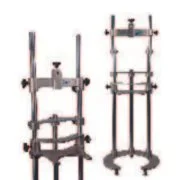
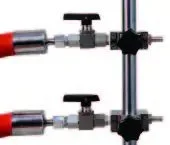
Glass reactors in this category range from 0.5 L to 5 L capacities. They fit directly inside standard laboratory layouts. Facilities configure these setups with single, double, or triple wall vessels based on thermal demands. The open support frames matter here. Operators must reach valves and adjust clamps without fighting the supporting architecture.
Thermal and Pressure Handling
Thermal management dictates the hardware. Jacketed vessels circulate heat transfer fluids to hold stable conditions across a strict -50°C to +180°C range. Double and triple wall reactor configurations are engineered to tolerate routine thermal cycling.
Vacuum and High-Pressure Capabilities
For vacuum-assisted runs, standard setups operate safely from full vacuum up to 0.5 bar. This allows controlled distillation right on the bench.
Sometimes a workflow demands elevated parameters. Operators then utilize high-pressure glass reactors. These systems are configured for pressurized workflows whether the pressure generates during the reaction or is introduced externally from a source like hydrogen. Heating solvents above standard boiling points increases reaction efficiency. These setups are commonly sourced for organic synthesis and pharmaceutical development workflows requiring tightly controlled conditions.
Mixing and Agitation Control
Material viscosity shifts during processing. Agitation requirements change with it.
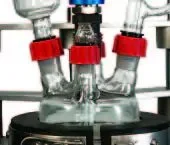
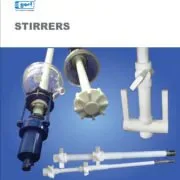
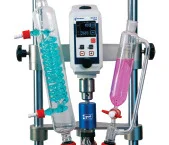
These compact setups use overhead stirrer motors with built-in speed controllers and digital indicators. They hold a steady 40 to 400 RPM range. Because viscosity varies, the systems support interchangeable agitators. Anchor, propeller, or turbine styles are standard. For vacuum or controlled pressure operation, operators configure mechanical seals, magnetic seals, or traditional stuffing box setups. It depends entirely on the specific process demands.
Standard Specifications & Dimensions
The physical footprint dictates laboratory efficiency. Below are the standard dimensional specifications for the benchtop reactor series:
| Unit Cat. Ref. | Addition Funnel (ML) | Condenser Length (mm) | Dimensions (L x B x H) |
|---|---|---|---|
| BLR 0.5 (100DN) | 200 | 300 | 250 x 250 x 900 |
| BLR 1 (100DN) | 250 | 300 | 250 x 250 x 900 |
| BLR 2 (100DN) | 500 | 300 | 250 x 250 x 1350 |
| BLR 3 (150DN) | 500 | 300 | 250 x 250 x 1450 |
| BLR 5 (150DN) | 500 | 400 | 350 x 350 x 1450 |
Modular Glassware and Reactor Assemblies
Modularity becomes critical once workflows start changing through the day. You might run a standard reflux in the morning and need a full glass distillation unit by the afternoon.
These skid-mounted benchtop lab reactors adapt fast. Operators swap out standard laboratory glassware components quickly, including:
- Condensers and receivers
- Addition funnels
- Reflux dividers
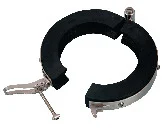
Quick release couplings speed up installation. You reconfigure the setup without rebuilding the framework.
Integrated Support Systems
The reactor assembly does not work alone. To maintain tight process control, facilities integrate peripheral systems. Operators routinely connect:
- Vacuum pumps and chillers
- Digital temperature indicators
- Dedicated heating/cooling systems
- Hot water or oil circulators
Laboratory Processing Applications
These compact systems handle formulation work, reflux handling, and controlled vacuum processing. By utilizing adaptable chemical processing equipment in a tight footprint, operators safely manage complex operations. Changing reaction setups does not monopolize the entire lab.
Sourcing Your Benchtop Layout
Adapting to a changing schedule requires equipment that works with the operator. To discuss vessel capacities, explore interchangeable stirring options, or review suitable benchtop reactor configurations, contact our technical team.
Frequently Asked Questions (FAQ's)
1. What capacity range is available for benchtop lab reactors?
Benchtop setups scale from 0.5 L up to 5 L. This range fits safely inside standard fume hoods.
2. Can these compact systems handle vacuum processing?
Yes. The standard reactor assemblies operate safely from full vacuum up to 0.5 bar. They routinely handle controlled vacuum distillation.
3. Are high-pressure glass configurations available?
Yes. Specialized high-pressure glass reactors can be sourced for workflows requiring elevated pressure or heating solvents above their standard boiling points.
4. What is the safe operating temperature range?
Jacketed vessels safely support continuous heat transfer fluid circulation from -50°C to +180°C.
5. Are the stirring assemblies interchangeable?
Yes. Operators swap out internal agitators to match viscosity, utilizing anchor, propeller, or turbine style stirrers.